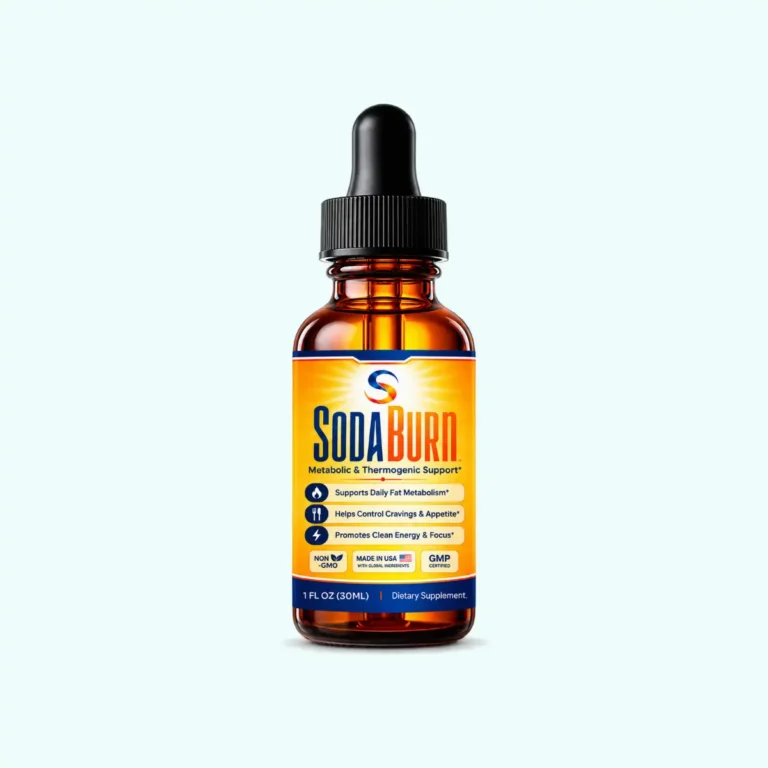
Soda Burn Drops Supplement: Active Lifestyle Support, Healthy Weight Management & Daily Wellness!
🚀EXCLUSIVE SAVINGS AVAILABLE – CLICK HERE TO GET YOURS TODAY 🚀
Weight loss is a common goal for people who want to improve their overall health, fitness, confidence, or quality of life. Because losing weight and keeping it off can be challenging, many consumers explore dietary supplements that claim to support metabolism, appetite control, energy, or fat burning.
Soda Burn Drops is marketed in the weight-management supplement category and may appeal to people looking for a convenient addition to their daily routine.
Liquid supplements can seem especially attractive because they are easy to use and may feel simpler than changing an entire lifestyle.
However, convenience should not be confused with proven effectiveness. A responsible approach to any weight-loss supplement requires looking at the ingredients, dosage, scientific evidence, potential side effects, and the role of the product within a broader health plan.
The National Institutes of Health explains that evidence for many dietary supplements promoted for weight loss is limited, and the National Center for Complementary and Integrative Health recommends caution with products that make exaggerated or rapid-weight-loss claims.
What Are Soda Burn Drops?
Soda Burn Drops are a liquid dietary supplement marketed toward consumers interested in weight management. Products in this category may be promoted as supporting metabolism, energy, appetite management, or fat-burning processes.
The exact effects of any supplement depend on its formulation. Therefore, consumers should examine the current Supplement Facts label rather than assuming that all products with similar marketing claims work in the same way.
A product's name can suggest a particular benefit, but the name itself is not scientific evidence.
Before using Soda Burn Drops, it is important to identify the active ingredients, their amounts, serving instructions, warnings, and manufacturer information.
Why People Consider Weight-Loss Supplements
Weight loss can be difficult for many reasons.
Some people struggle with hunger or cravings. Others have limited time for exercise, demanding work schedules, irregular sleep, or difficulty maintaining a consistent meal plan. Certain medical conditions and medications can also affect body weight.
These challenges create understandable interest in products that promise an easier path.
A supplement may seem attractive because it requires relatively little effort compared with changing eating habits or establishing an exercise routine. But the most important question is whether the product produces meaningful results that can be supported by reliable evidence.
Can Soda Burn Drops Cause Weight Loss?
There is no reason to assume that a supplement will automatically produce substantial weight loss simply because it is marketed as a fat burner or metabolism-support product.
The evidence for weight-loss supplements varies widely. Some ingredients have been studied in humans, while others have limited research. Even when an ingredient produces a small effect, that effect may not translate into significant changes in body weight.
The NIH Office of Dietary Supplements emphasizes that many weight-loss supplements have limited evidence supporting their effectiveness.
This means consumers should look for evidence concerning the finished product, not simply evidence about one ingredient.
A study showing that an ingredient affects metabolism under controlled conditions does not necessarily prove that a particular liquid supplement will produce noticeable weight loss in everyday life.
Understanding “Fat Burning”
The term “fat burning” is widely used in weight-loss marketing.
The body naturally uses different energy sources throughout the day. Physical activity, food intake, hormones, sleep, and other factors influence how the body uses stored energy.
Some substances can affect fat oxidation or energy expenditure temporarily. But that does not necessarily mean they cause a
meaningful reduction in body fat over the long term.
For example, a small increase in energy expenditure may be measurable in a study but too small to overcome an individual's overall calorie intake.
🚀EXCLUSIVE SAVINGS AVAILABLE – CLICK HERE TO GET YOURS TODAY 🚀
This is why actual outcomes—such as sustainable changes in body weight, waist circumference, body composition, and health—are more important than marketing terms.
Why the Ingredient List Matters
The first thing consumers should do when evaluating Soda Burn Drops is examine the product label.
Active ingredients
Determine which ingredients are included in the formula.
Amount per serving
The amount of each ingredient matters because the dose used in research may differ substantially from the amount found in a commercial product.
Serving instructions
Follow the manufacturer's directions and do not assume that taking extra servings will accelerate weight loss.
Warnings and precautions
Read the warnings carefully, particularly if the product contains stimulants or botanical extracts.
Manufacturer information
Consumers should be able to identify the company responsible for the product and find appropriate information about its use.
Common Ingredients Found in Weight-Loss Products
Weight-management supplements can contain many different ingredients.
Caffeine
Caffeine is commonly included because it can increase alertness and temporarily affect energy expenditure. However, it can also cause nervousness, sleep problems, headaches, digestive discomfort, or increased heart rate in some individuals.
Tolerance can develop with regular caffeine use, potentially reducing some effects over time.
Anyone using a stimulant-containing supplement should also consider caffeine from coffee, tea, energy drinks, pre-workout products, and other supplements.
Green tea extracts
Green tea and concentrated green tea extracts are commonly marketed for weight management. Research has examined their possible effects on body weight, but results are not strong enough to justify assuming dramatic fat loss.
Concentrated extracts can also have safety considerations that consumers should discuss with a healthcare professional when appropriate.
Fiber-related ingredients
Certain types of fiber may contribute to fullness and digestive health. However, getting fiber from whole foods provides additional nutrients and can be a valuable part of a balanced diet.
Botanical extracts
Herbal ingredients are common in dietary supplements. Their effects can vary depending on the plant, extraction method, concentration, and dosage.
Natural ingredients can still cause side effects or interact with medications.
Why Testimonials Are Not Clinical Evidence
Weight-loss products frequently use customer testimonials to demonstrate their supposed effectiveness.
Testimonials may describe genuine experiences, but they cannot establish that the product caused the result.
Someone who loses weight while using a supplement may also have changed their diet, increased exercise, improved sleep, reduced alcohol intake, or made other lifestyle changes.
Body weight can also fluctuate naturally because of changes in water, glycogen, food volume, and other factors.
Controlled clinical research is therefore much more informative than individual success stories.
Be Skeptical of Guaranteed Results
Consumers should be cautious about products that promise dramatic or guaranteed results.
Examples of claims that deserve particular skepticism include:
“Lose weight without diet or exercise”
“Burn fat while sleeping”
“Lose belly fat quickly”
“Guaranteed weight loss”
“Drop several sizes in a few weeks”
“Instant metabolism transformation”
🚀EXCLUSIVE SAVINGS AVAILABLE – CLICK HERE TO GET YOURS TODAY 🚀
The FDA has warned consumers about fraudulent weight-loss products and unrealistic claims.
Healthy weight management is generally not an overnight process. Sustainable results usually require consistent changes over time.
Can a Supplement Replace a Healthy Diet?
No weight-loss supplement should be considered a replacement for nutritious food.
A balanced eating pattern can provide protein, fiber, vitamins, minerals, and other nutrients that the body needs.
A person trying to manage their weight may benefit from emphasizing:
Vegetables
Fruits
Whole grains
Beans and lentils
Lean protein
Nuts and seeds
Appropriate sources of healthy fats
Portion sizes also matter. Even nutritious foods can contribute substantial calories when consumed in large amounts.
The goal is not necessarily to eliminate favorite foods. Instead, a sustainable eating pattern can allow flexibility while maintaining an appropriate overall calorie intake.
The Importance of Protein
Protein plays several important roles in the body and can be particularly useful during weight loss.
Adequate protein supports muscle maintenance and may help with satiety. Foods such as eggs, fish, poultry, yogurt, cottage cheese, tofu, beans, lentils, and other protein-rich foods can be included in balanced meals.
People have different nutritional needs, so individual protein targets should be discussed with a qualified professional when specific guidance is required.
The Importance of Fiber
Fiber is another important part of a healthy eating pattern.
Fiber-rich foods can help people feel satisfied after meals and support digestive health.
Useful sources include:
Vegetables
Fruits
Beans
Lentils
Oats
Whole grains
Nuts
Seeds
Rather than relying entirely on a supplement to provide fiber, many people can increase their intake through a variety of whole foods.
Exercise and Weight Management
Physical activity supports weight management and provides benefits that extend beyond calorie expenditure.
Aerobic activities such as walking, cycling, swimming, dancing, and jogging can support cardiovascular fitness.
Resistance training can help maintain or develop muscle and improve strength.
People who are currently inactive do not need to begin with an extreme program. Gradually increasing activity can be a more realistic
strategy.
The most useful exercise routine is one that fits an individual's abilities, schedule, preferences, and health needs.
Why Sleep Matters
Sleep is sometimes overlooked when discussing weight loss.
Poor or inconsistent sleep can make it more difficult to maintain healthy eating and exercise habits. Establishing a regular sleep schedule and creating a comfortable sleep environment can therefore support an overall weight-management strategy.
A supplement should not be expected to compensate for consistently poor sleep.
🚀EXCLUSIVE SAVINGS AVAILABLE – CLICK HERE TO GET YOURS TODAY 🚀
Managing Stress
Stress can also affect eating behavior, sleep, motivation, and daily activity.
Some people respond to stress by eating more frequently or choosing highly palatable foods. Others may find it difficult to exercise or prepare nutritious meals when they are overwhelmed.
Stress-management strategies such as walking, relaxation exercises, hobbies, social connection, and structured routines can support overall well-being.
Potential Safety Concerns
The safety of Soda Burn Drops depends on the ingredients and the person using the product.
Weight-loss supplements may contain stimulants or other compounds that can affect the cardiovascular system, nervous system, digestive system, or medication metabolism.
The NCCIH warns that many supplements marketed for weight loss have not been adequately tested for safety and that some products have been found to contain hidden ingredients.
Consumers should therefore be especially cautious when purchasing products from unfamiliar sellers or websites.
Who Should Be Particularly Careful?
Talk with a healthcare professional before using a weight-loss supplement if you:
Take prescription medication
Have heart disease
Have high blood pressure
Have diabetes
Have liver or kidney disease
Are pregnant or breastfeeding
Have a history of an eating disorder
Are under 18
Are taking other supplements
A doctor or pharmacist can help identify possible interactions and determine whether the product is appropriate.
How to Build a Better Weight-Loss Strategy
A long-term approach can focus on several areas simultaneously.
1. Improve meal quality
Choose more nutrient-dense foods and reduce excessive intake of highly processed foods.
2. Manage portions
Learn which portion sizes allow you to feel satisfied while staying within your nutritional goals.
3. Prioritize protein and fiber
Include satisfying foods that make a balanced eating pattern easier to maintain.
4. Increase daily movement
Look for opportunities to walk more, take the stairs, or participate in enjoyable physical activities.
5. Add resistance training
Strength exercises can support muscle maintenance and physical function.
6. Improve sleep
Aim for a consistent sleep routine that supports recovery and daily energy.
7. Set realistic goals
Focus on sustainable progress rather than rapid changes.
What Results Should You Expect?
Everyone responds differently to weight-management strategies.
Factors such as starting weight, age, sex, genetics, activity level, diet, medications, medical conditions, and sleep can influence results.
A product that works for one person—or appears to work for one person—may not have the same effect on another.
This is another reason why guaranteed weight-loss claims should be viewed skeptically.
🚀EXCLUSIVE SAVINGS AVAILABLE – CLICK HERE TO GET YOURS TODAY 🚀
The Bottom Line on Soda Burn Drops:
Soda Burn Drops may be appealing to people looking for a convenient supplement to add to a weight-management routine. However, consumers should evaluate the product carefully rather than assuming that its marketing claims guarantee results.
The most important considerations are the actual ingredients, dosage, scientific evidence, safety information, and individual health circumstances.
Weight-loss supplements should not replace a nutritious diet, regular physical activity, adequate sleep, or professional medical care when needed.
If you are considering Soda Burn Drops, check the current label and research the ingredients carefully. If you take medication, have a medical condition, or are uncertain about whether the product is appropriate for you, consult a qualified healthcare professional before using it.
Ultimately, sustainable weight management is less about finding a quick solution and more about developing healthy habits that can be maintained for the long term.
Disclaimer: This article is intended for general educational purposes and is not medical advice. Supplement formulations can change, and individual responses may vary. Consult a qualified healthcare professional before starting any dietary supplement, especially if you have a medical condition or take prescription medication.